
AI is everywhere right now. It’s writing emails, summarising meetings, generating images and answering questions on just about anything you can think of.
So it’s no surprise that some businesses are turning to AI tools for HR and employment law advice. On the surface, it makes sense. It’s fast. It’s cheap. It’s available at 2am when you’re panicking about a grievance letter that’s just landed in your inbox.
But here’s the thing: HR and employment law aren’t areas where “good enough” is actually good enough. Getting it wrong doesn’t just mean a bit of awkwardness. It can mean tribunal claims, financial penalties, damaged relationships and serious reputational harm.
This isn’t about being anti-technology. AI has its place. But when it comes to decisions about people’s jobs and livelihoods, it’s worth understanding what you’re actually relying on.
AI gets it wrong – more often than you’d think
One of the biggest problems with AI is that it sounds confident even when it’s completely wrong.
AI tools can “hallucinate” – a polite way of saying they make things up. They’ll present incorrect information as fact, cite case law that doesn’t exist, or give you advice based on US employment law when you’re a business in Birmingham.
Employment law in the UK changes constantly. New case law, legislative updates, delayed reforms – it’s a lot to keep up with. AI tools trained on older data simply can’t keep pace. And because they don’t know what they don’t know, they won’t tell you when they’re out of date.
The danger is obvious. Acting on incorrect advice can land you in front of a tribunal, facing penalties or stuck with contractual obligations you never intended to create.
A wrong answer delivered with confidence is often more dangerous than no answer at all.
Bias is baked in
AI learns from data. And data, particularly historical data, contains bias.
That means AI tools can inadvertently discriminate. In recruitment, they might favour candidates who look like people who’ve been hired before. In performance management, they might reflect patterns that disadvantage certain groups.
The Equality Act 2010 doesn’t care whether a human or a machine made the decision. If the outcome is discriminatory, your business is liable.
There’s also the transparency problem. AI often can’t explain why it made a particular recommendation. And if you can’t explain the decision, you can’t defend it at tribunal.
Then there’s digital exclusion. Older workers or employees with certain disabilities may be disadvantaged by tools that assume everyone interacts with technology the same way. That’s another route to a discrimination claim.
Your data might not be as private as you think
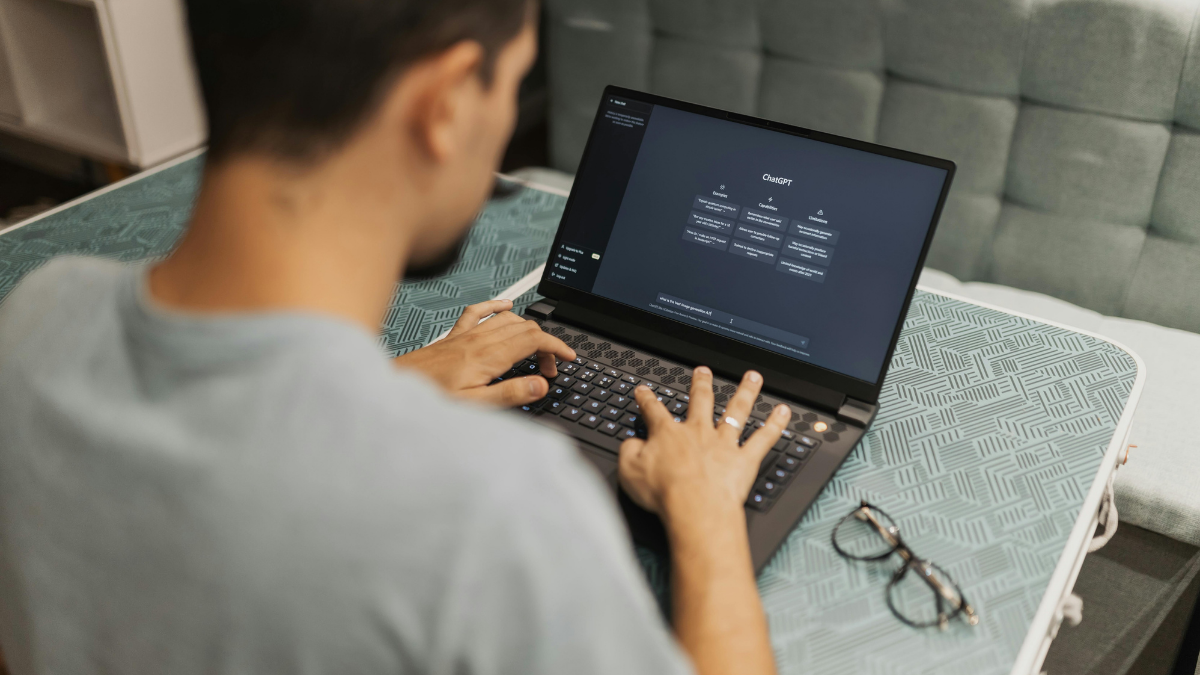
When you type employee information into an AI tool, where does it go?
Many AI platforms use the data you input to train their models. That means your confidential employee information – names, salaries, performance issues, health details – could be absorbed into a system you don’t control.
There have already been high-profile cases of sensitive data being leaked through AI tools. And the Information Commissioner’s Office is paying close attention.
Under UK GDPR, you have obligations around how you collect, store and process personal data. Using AI tools without proper safeguards could put you in breach. The same applies to monitoring tools like keystroke trackers or productivity software – employees have rights, and transparency is essential.
Convenience doesn’t override compliance. And the penalties for getting data protection wrong can be severe.
Context matters – and AI doesn’t have it
Employment law isn’t one-size-fits-all. What works for a tech startup in London might be completely wrong for a manufacturing firm in Manchester.
AI generalises. It doesn’t understand your business, your culture, your history with a particular employee or the nuances of your sector. It can’t weigh competing factors the way an experienced advisor can.
Take a disciplinary situation. The right approach depends on so many things: the employee’s length of service, their previous record, how similar cases have been handled, what your policies say, what’s reasonable in the circumstances. AI can’t assess all of that. It’ll give you a generic answer that might technically be correct but practically be a disaster.
Critical decisions – recruitment, grievances, dismissals – need human judgement. They need someone who understands the full picture, not just the words you’ve typed into a text box.
No duty of care – and no accountability
Here’s something that often gets overlooked: AI providers don’t owe you a duty of care.
If the advice is wrong and you act on it, the liability sits with your business. Not the tool. Not the company that made it. You.
There’s no professional indemnity insurance. No regulatory oversight. No one you can turn to when things go wrong.
Compare that to working with qualified HR and employment law professionals. They’re accountable for their advice. They have insurance. They’re regulated. And when things get difficult, they’re in your corner – not just generating text and hoping for the best.
Tribunals won’t accept “the AI told me to” as a defence. Neither will your employees.
The regulatory gap
Right now, the UK doesn’t have specific legislation governing AI in the workplace. That doesn’t mean anything goes – existing laws like UK GDPR, the Equality Act and employment legislation all still apply. But they weren’t designed with AI in mind, which creates uncertainty.
Regulators are paying attention though. The ICO, the Equality and Human Rights Commission and ACAS have all flagged concerns about AI in HR contexts. Guidance is emerging, and legislation will follow.
Businesses that are heavily reliant on AI tools now may find themselves under scrutiny later. What seems like a shortcut today could become a liability tomorrow.
Just because something isn’t explicitly banned doesn’t mean it’s safe.
The right tool for the right job
None of this means AI is useless. It can help with administrative tasks, initial research, drafting documents that a human then reviews. It has a place.
But that place isn’t making decisions about people’s jobs and livelihoods.
The risks are real: legal exposure, financial penalties, reputational harm, damaged relationships with your team. And the accountability gap means you’re carrying all of that risk yourself.
HR and employment law require expertise. They require judgement. They require someone who understands your business and can give you advice that actually fits your situation.
Technology should support human decision-making, not replace it.
Not sure if your current approach is putting you at risk?
If you’ve been relying on AI tools for HR advice – or you’re working with a provider who is – it might be worth taking a step back.
We’re always happy to have a conversation about what good support looks like and how to make sure you’re protected. No pressure, no jargon, just practical advice from people who actually understand UK employment law.
Get in touch if you’d like to chat.