
Disability Discrimination Claims Surge as Mental Health Challenges Reshape Workplace Responsibilities
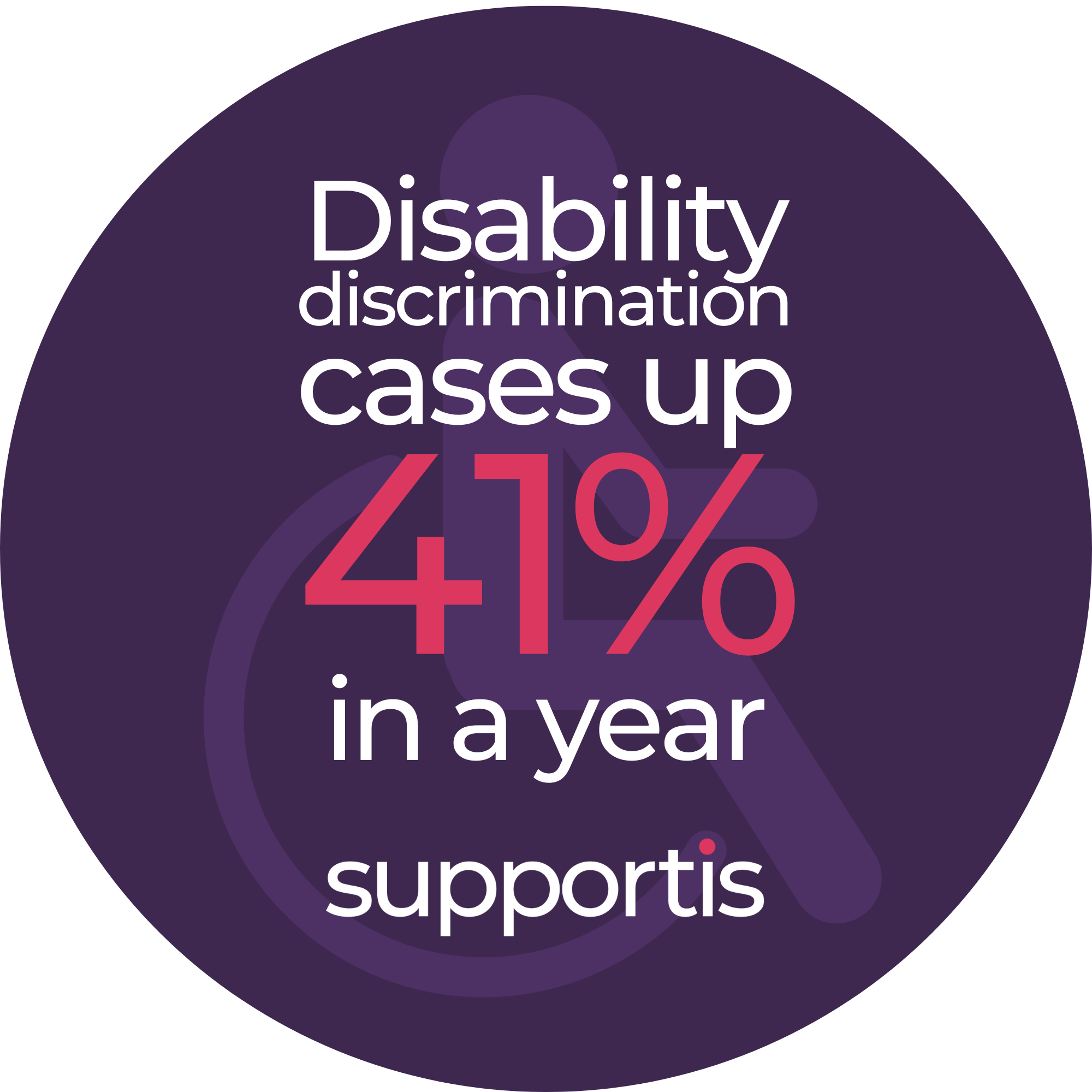
Recent figures show a sharp rise in disability discrimination claims, as many organisations grapple with the complex realities of mental health in the workplace. The number of disability discrimination cases referred to Acas for early conciliation surged by over 40% in the past year, signalling a growing legal and cultural shift that employers can no longer afford to ignore.
More than 16% of workplace disputes now involve disability discrimination, a marked increase from 9% just two years prior. This trend reflects not only heightened awareness of mental health but also an expansion in how disability is being defined under UK employment law. According to data analysed by Nockolds, the total number of disability-related early conciliation notifications received by Acas rose from 15,361 in 2023–24 to 20,180 in 2024–25 – an increase of 31%.
This uptick highlights the importance of understanding the full legal implications of the Equality Act 2010, which defines a disability as any physical or mental impairment that has a substantial and long-term adverse effect on an individual’s ability to carry out normal daily activities. Mental health conditions such as depression, anxiety, and even menopause may qualify as disabilities if they meet this threshold, a detail that is catching many employers off guard.
Joanna Sutton, principal associate at Nockolds, points out that although awareness of mental health has improved in society, it is not always translating into effective workplace practices. Many employers continue to treat mental health reactively rather than integrating it into everyday culture and operations. As economic pressures increase, some organisations are rolling back flexible working arrangements, inadvertently disregarding individual wellbeing and contributing to a rise in formal grievances and disputes.
Sutton explains that where previous amendments to disability law prompted widespread implementation of physical adjustments, such as ramps and accessible toilets, many employers are still adjusting to the broader, and sometimes invisible, nature of modern disabilities. The phrase “not all disabilities are visible” is now widely recognised, yet many policies and managerial approaches remain outdated.
A particularly pressing issue is the ambiguity around what qualifies as a mental impairment under the law. The statutory threshold can be difficult to apply in practice and often requires medical evidence and legal scrutiny. This grey area can lead to misunderstandings, with some employers inadvertently dismissing legitimate concerns or mishandling disclosures due to a lack of awareness.
To avoid falling foul of discrimination laws, employers must ensure their policies and practices are aligned with current legal expectations. This includes offering clear, up-to-date training for line managers and HR teams, especially around how to identify and respond to mental health disclosures. Supportis offers award-winning, scenario-based eLearning courses and management training that can help build the confidence needed to manage sensitive conversations while ensuring compliance with the law.
Employers should also develop internal procedures for handling health-related concerns promptly and respectfully. Encouraging open dialogue and documenting any requests for adjustments can help create a workplace culture that is both inclusive and legally sound. Crucially, decisions about whether an individual’s condition qualifies as a disability should never be made without due process. Seeking medical input and legal advice where appropriate is a sensible precaution – we’re here to help!
As disability-related claims continue to rise, the message is clear: awareness alone is no longer enough. Employers must actively update their policies, train their people, and embed inclusivity into the core of their workplace culture. Doing so is not only a matter of legal compliance, it is key to attracting and retaining talent in a working world that increasingly values empathy, flexibility, and fairness.
To keep HR and employment practices legally compliant and resilient against future claims, it is essential for employers to proactively carry out impact assessments, refresh training programmes, and maintain clear internal communication to effectively manage employee expectations. For expert advice on navigating these important changes and reducing the risk of costly employment tribunal claims, please contact Supportis at 0161 603 2156 or [email protected].